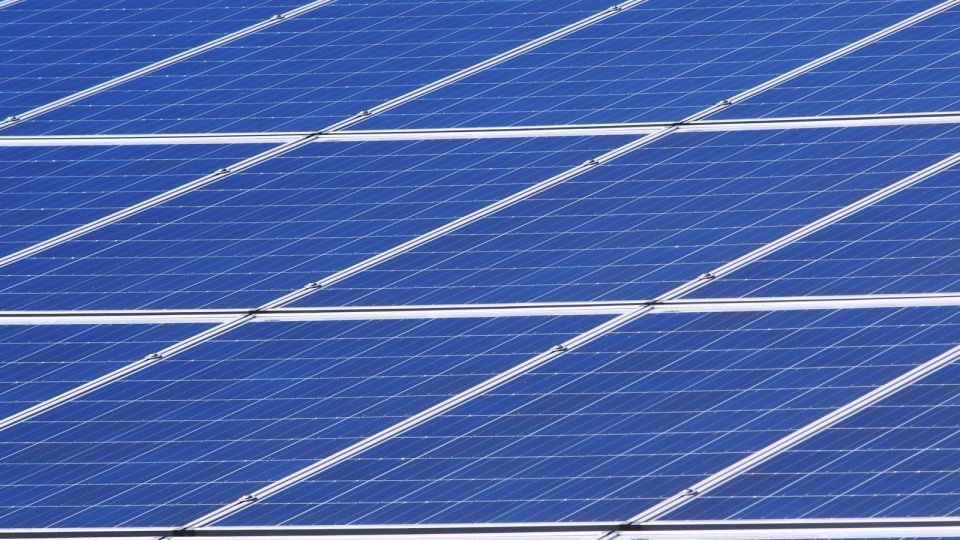

One central challenge to representing and analyzing interdependent infrastructure networks is the lack of realistic and comprehensive datasets that accurately represent the networks, their interactions, and the points of connection with consumers. To overcome this, we have developed an in-silico integrated system – a digital twin – that serves as a nexus for energy-related innovations, equipped with key capabilities to deliver comprehensive solutions for multiple downstream tasks. These intertwined models effectively predict residential energy demand, electricity generation from photovoltaic (PV) systems, and energy consumption from home electric vehicle (EV) charging. The success stems from its unique capability to replicate real-world systems accurately across multiple network layers: the physical layer, the people layer, the energy layer, and the usage layer (e.g. EVs, PVs, residential demand for various needs etc.), all with precise spatial and temporal resolution.
Recently, transitioning to sustainable energy systems has become the primary goal while addressing more extreme weather events and increasing the adoption of EVs and solar power. Researchers and policymakers are analyzing these key questions using tools from disciplines including economics, network science, electrical engineering, power systems, and AI/ML.
Learn more about energy systems